
-
和物語 編集部が陶芸家にインタビュー
-
Wamonogatari Editorial Department
-
interviewed a ceramic artist.
-
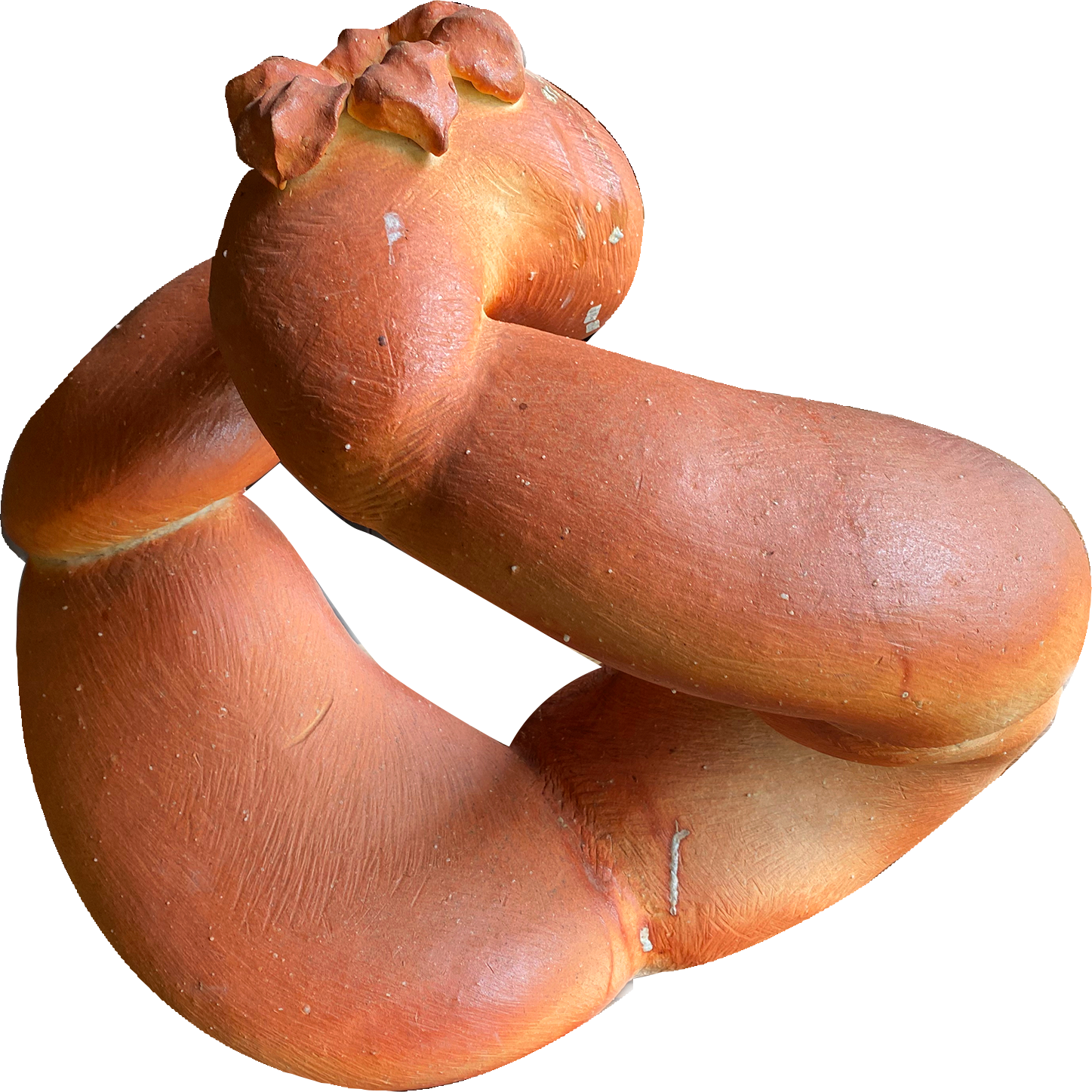
-

陶芸家 菊池勝太郎「直海窯」
Ceramic artist Katsutaro Kikuchi "Wadatsumigama" -
なぜ、焼き物を作り続けるのか。
-
Why do you continue to make pottery?
- 日本の焼き物の歴史は長く、およそ1万6000年前の縄文土器に遡ります。紀元前3世紀から紀元後5世紀において、日本では弥生土器や土師器、また埴輪が誕生していますが、これらは900度以下の低温で焼くいわば素焼き状態のもので、「野焼き」と呼ばれるものでした。現在のように天井がある窯の中で作られたのではありません。
その後、紀元後5世紀から7世紀にかけて、古墳時代に入りましたが、その時代に須恵器が誕生します。これは斜面に窖を穿った昇炎式の窯で、1000度を超える高温で焼かれたものでした。江戸時代になると初期の16世紀後半には、登り窯が導入され、近代的に大量生産の時代に突入し、多くのものがヨーロッパに輸出されるようになりました。 - Japanese pottery has a long history, dating back to the Jomon period, about 16,000 years ago. From the 3rd century B.C. to the 5th century A.D., Yayoi earthenware, earthenware and haniwa (clay figurines) were produced in Japan, but they were fired at low temperatures below 900 degrees Celsius, so to speak, and were called “unglazed” pottery. They were not made in kilns with ceilings, as is the case today.
Later, between the 5th and 7th centuries A.D., during the Kofun period, Sue ware was born. These were fired in ascending-flame kilns with cellars drilled into the slopes at temperatures exceeding 1,000 degrees Celsius. In the early Edo period (1603-1867), in the late 16th century, climbing kilns were introduced and the modern era of mass production began, with many items being exported to Europe. - The history of Japanese pottery dates back over 16,000 years, beginning with the Jomon pottery. During the period from the 3rd century BC to the 5th century AD, Japanese pottery such as Yayoi pottery, Haji ware, and Haniwa were born. These were essentially unglazed pieces, fired at temperatures below 900°C, using a method called "open-air firing" or "field firing." They were not created in kilns with roofs as we have today.
- Later, from the 5th to the 7th centuries, the Kofun period began, during which Sue ware was introduced. This pottery was fired at temperatures exceeding 1,000°C in a sloped kiln with a sunken flame, known as a "nobori kiln" (climbing kiln).
- In the Edo period, the introduction of climbing kilns in the late 16th century marked the beginning of modern mass production, and many pieces were exported to Europe.
- 現代は薪式ではなく、エネルギー源が電気、ガス、石油等に大半が変わりましたが、技術的には昔から何一つ変わっていないのです。私はこの古典的な2つの窯、窖窯と登窯を使って陶芸家としての志事をして参りましたが、私の物造りの根底には、焼き物の原点である「縄文の心」が宿っており、フランスの社会人類学者「フロート・レビストロース」の言う、ブリコラージュの考え方を実践しています。
つまりそこには、構造主義という考え方があり、1個1個の作品を作り上げるというよりは、その土の素材が持っている本来の成分の力と窯が持つ焼き具合の力を融合させ、それぞれの力が織りなす能力を引き出したものが、結果、構造を形づくり、私はただそこに手を添えるだけの感覚で、そのものの個性を引き出すことに重きを置いて、造形に打ち込んでいるのです。そこがとても面白くて焼き物を続けているのかもしれません。 - Today, most of the energy sources have changed to electricity, gas, oil, etc. instead of wood-fired kilns, but technically, nothing has changed. I have been a potter using these two classic kilns, the cellar kiln and the climbing kiln, and my work is rooted in the “spirit of Jomon,” the origin of pottery, and the concept of bricolage as described by the French social anthropologist Flotte Lévistrouse.
In other words, there is the idea of structuralism, which means that rather than creating each piece individually, I fuse the power of the clay material's original composition with the power of the kiln's firing conditions, and the result is a structure that draws out the ability of each force to weave together, and I simply add my hand to it, with the feeling that it is the only way to bring out the individuality of the piece. I am just putting my hand on it and putting emphasis on bringing out the individuality of the piece itself. Perhaps that is why I continue to make pottery, because I find it so interesting. -
料理を引き立てる器
-
自家製の茶蕎麦をいただく
-
Vessels that complement the food
Enjoying homemade tea soba noodles - 自家栽培した季節の野菜と、打ちたてて湯掻いたばかりのお蕎麦を自らが造形した器でいただく。一つ一つ個性溢れるその器は、一層料理を引き立ててくれる。料理も器も心が溢れ出す。食する側もおもてなしを感じずにはいられない。北海道の素朴な料理の美味さも実に身に染みるのである。
Seasonal vegetables home-grown and freshly boiled buckwheat noodles are served in a bowl and freshly boiled soba noodles served in dishes that the chef himself created. Each dishware is full of individuality, and it enhances the dishes even more. Both the food and the dishes overflow with heart. The eater cannot help but feel a sense of hospitality. The simple, yet delicious cuisine of Hokkaido really sinks in.-

蕎麦粉と抹茶をブレンドした自家製蕎麦
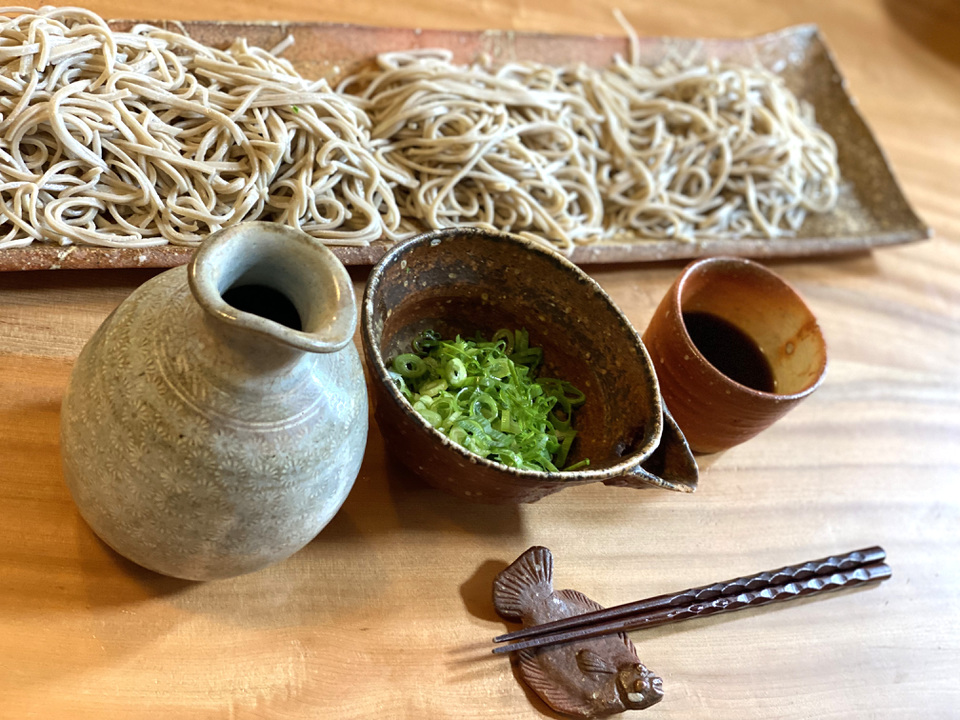
自分で焼いた器が料理を際立たせる
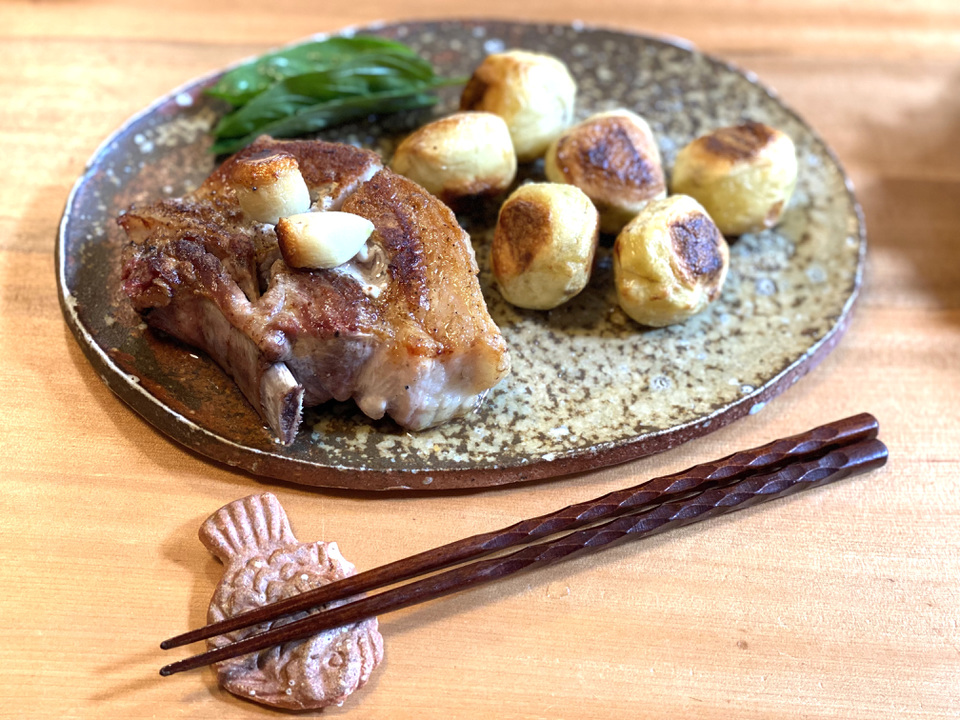
旬の北海道食材を味わう
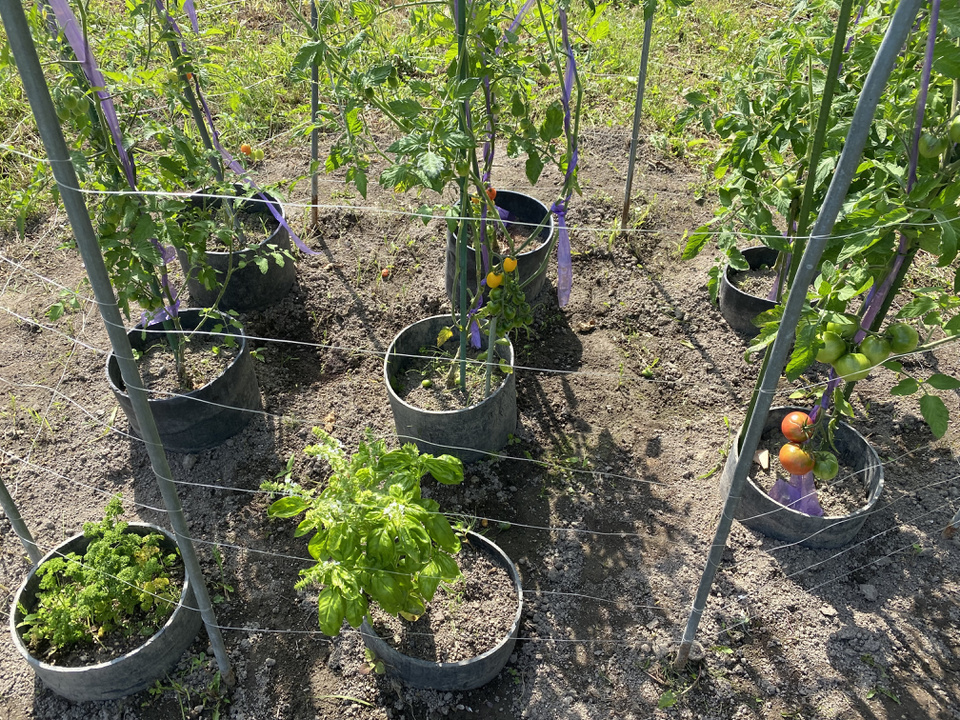
洞爺の自家製野菜たち
-
生活と一体化した焼き物
日常の中の自然の姿が心地よい -
Pottery as an integral part of daily life
Comfortable with the appearance of nature in daily life - 日常の生活空間の中に散りばめられた焼き物たち。味わい深い使い勝手の良さがその価値を放つ。それはまさに生活そのものであり、自然かつ必然なのである。 生きた造形の証ではないだろうか。
Pottery scattered throughout the everyday living space. Their value radiates from their deep sense of taste and ease of use. It is the very essence of life itself, natural and inevitable. It is proof of a living form.-
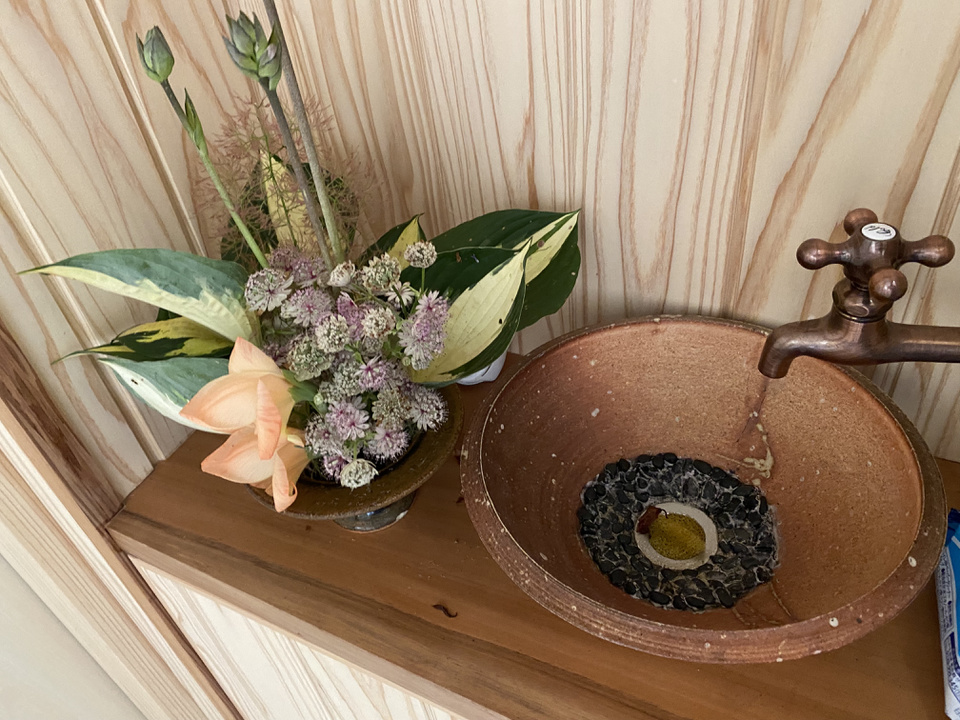
野に咲く花と手水
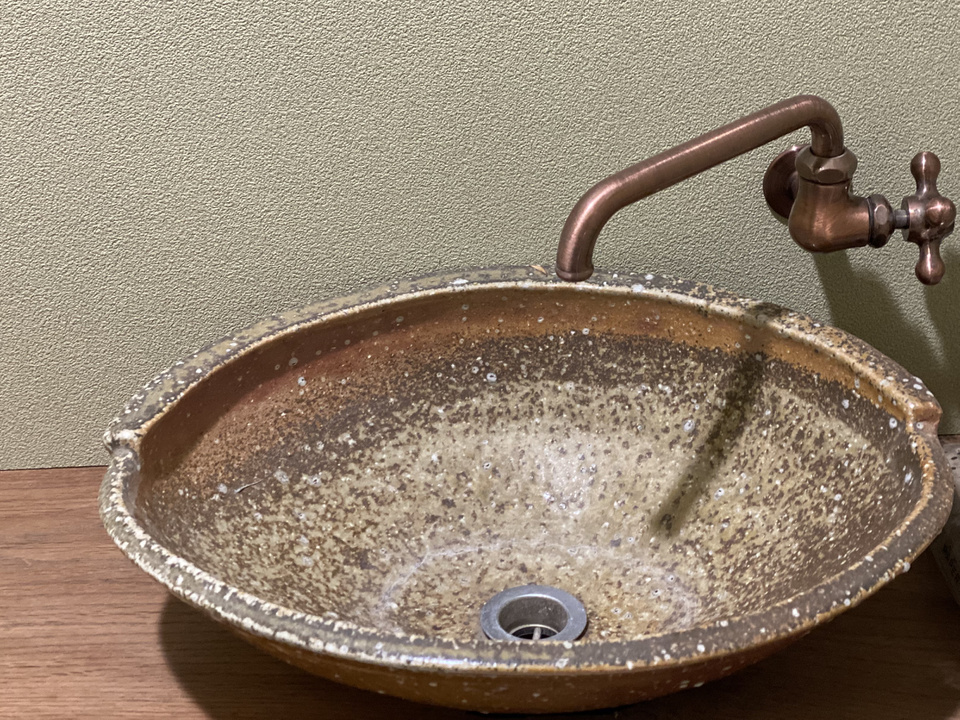
味わい深い 手水
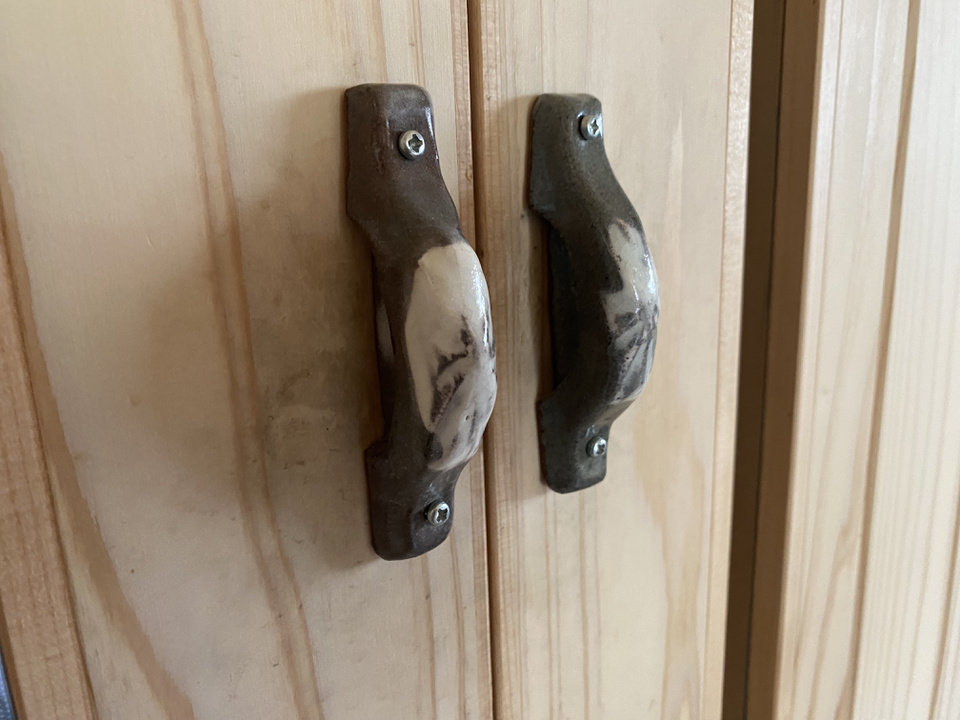
取手も個性的
-
造形が生み出される環境
力強いオブジェクト -
The environment in which form is created
Powerful Objects - 生家を活かしたこの工房には、先代が残したものたちが新たに再生されている。馬小屋が窖窯へ、農業倉庫が工房やギャラリーに変わったりと、時代とともに生き抜いて来た家族の証でもある場所だ。そこで生み出される造形物もまた後世に伝える物であることを願う。そこは志事を成し遂げ、語り伝える場所なのだから。
In this workshop, which makes use of the family home, the items left behind by the previous generation have been newly restored. The stable was converted into a cellar kiln, and an agricultural warehouse into a workshop and gallery. We hope that the artworks created there will also be handed down to future generations. It is a place to accomplish and pass down the story of one's ambitions.
-
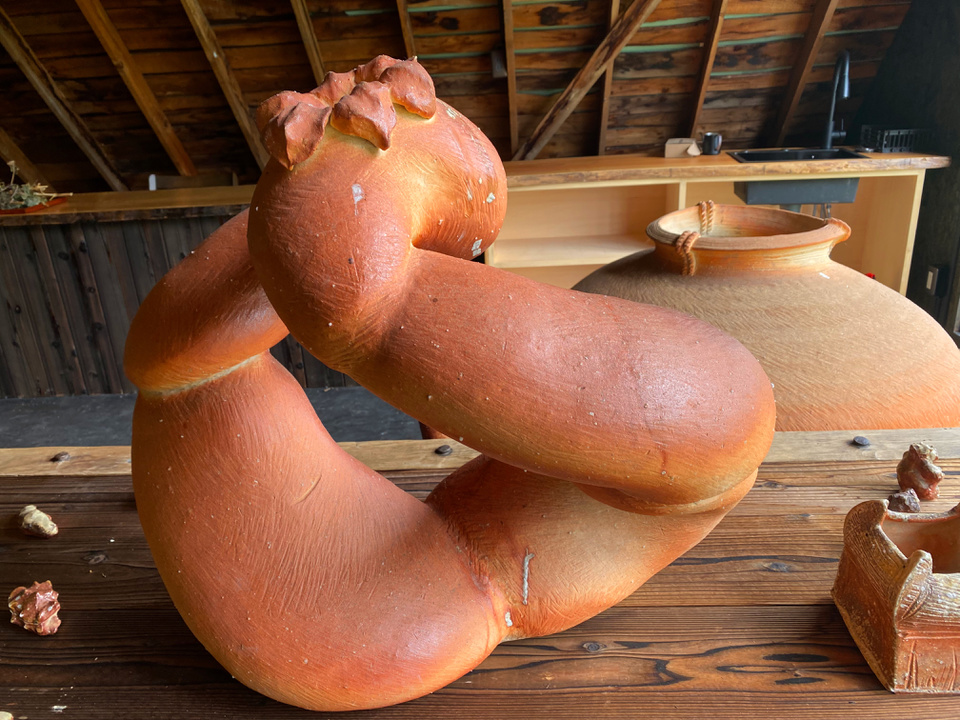
今にも動き出しそうなオブジェ
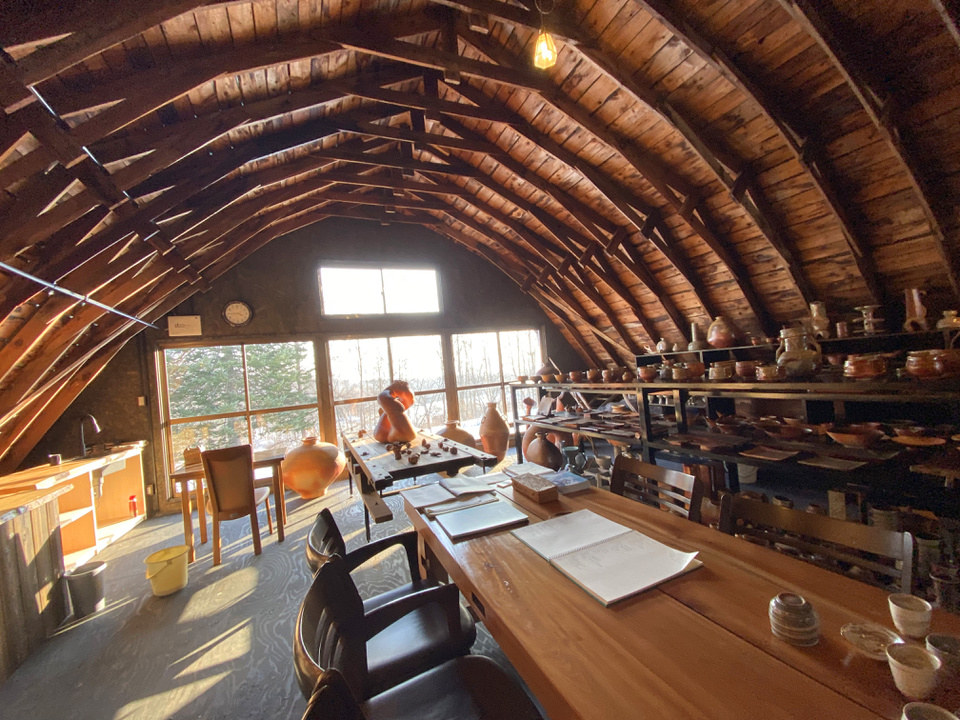
農業倉庫を活かしたギャラリー
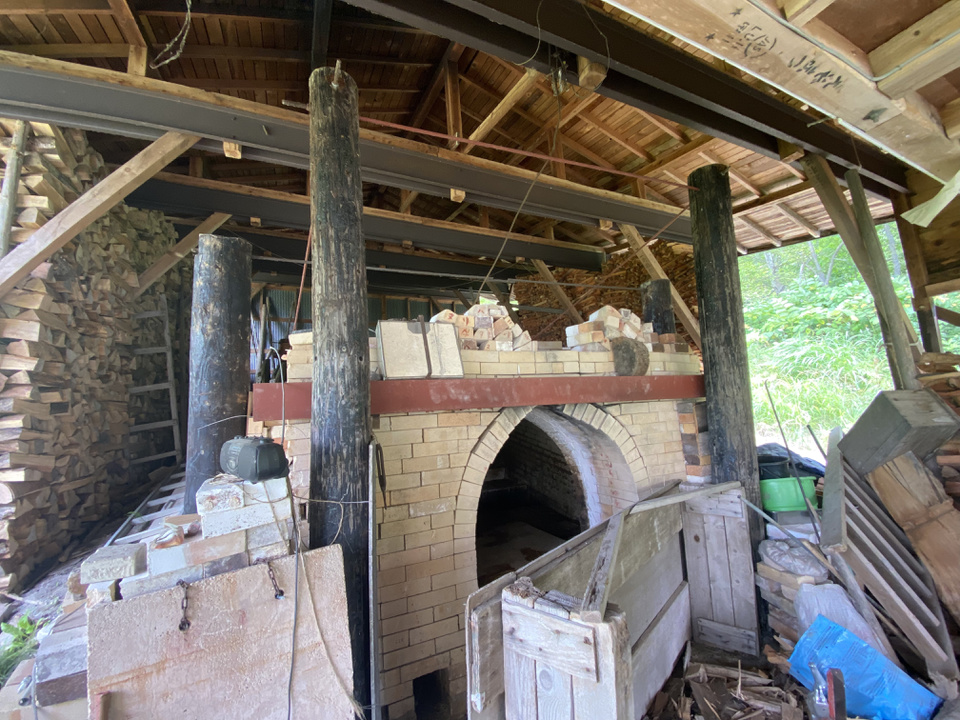
登窯
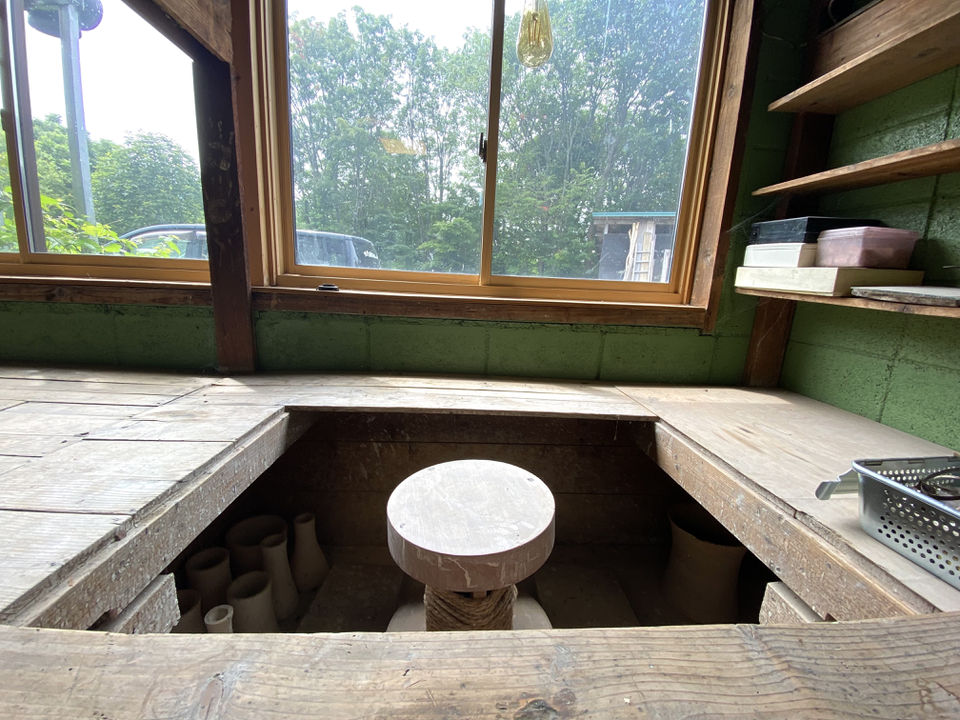
作品づくりの轆轤
-
生誕の地
大自然の中で育まれた北の大地 -
Birthplace
Northern land nurtured by Mother Nature - 遠方に羊蹄山を望むこのエリアの冬は過酷である。しかし、野の花は四季の移り変わりと共に、陶芸家の目の前に凛と咲き誇る。生花を嗜む陶芸家の心は、自然界の営みを感じるとともに、
- 命の継承である生物たちを通じて、造形にこだまする。遥か彼方より今に息づく生命たちの営
- みは、まさに造形に映し出す鏡なのかもしれない。
Yotei in the distance, winters in this area can be harsh. However, wild flowers bloom in front of the potter's eyes with dignity as the seasons change. The heart of the potter, who enjoys ikebana, feels the workings of the natural world and is inspired by the living creatures that are the inheritors of life. The life that lives in the present from far away may be a mirror reflected in the modeling. -
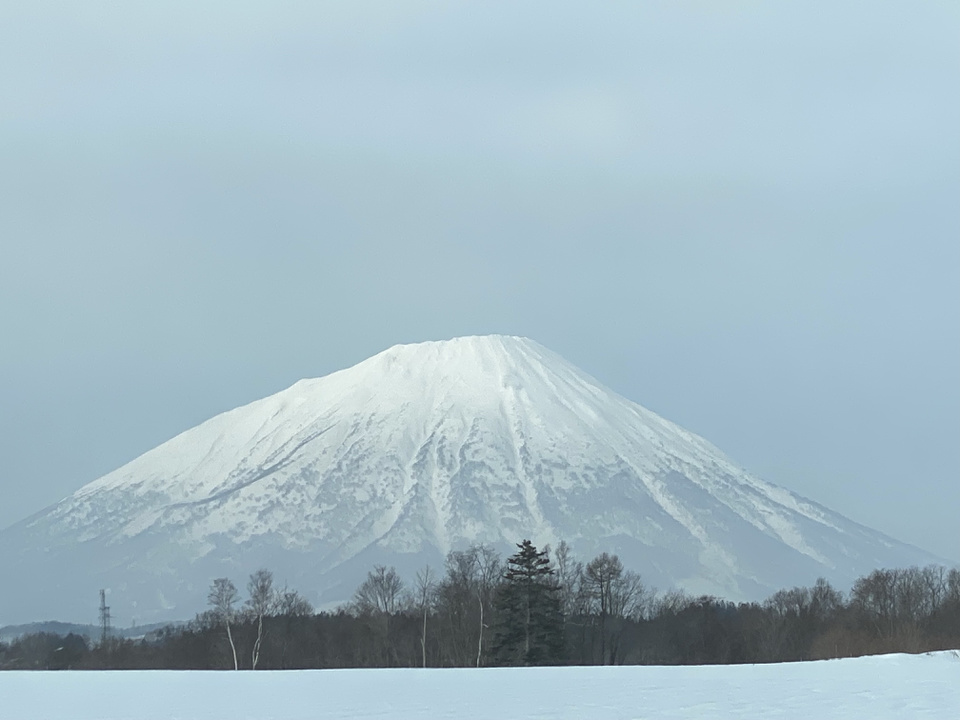
洞爺湖町から望む北の富士羊蹄山
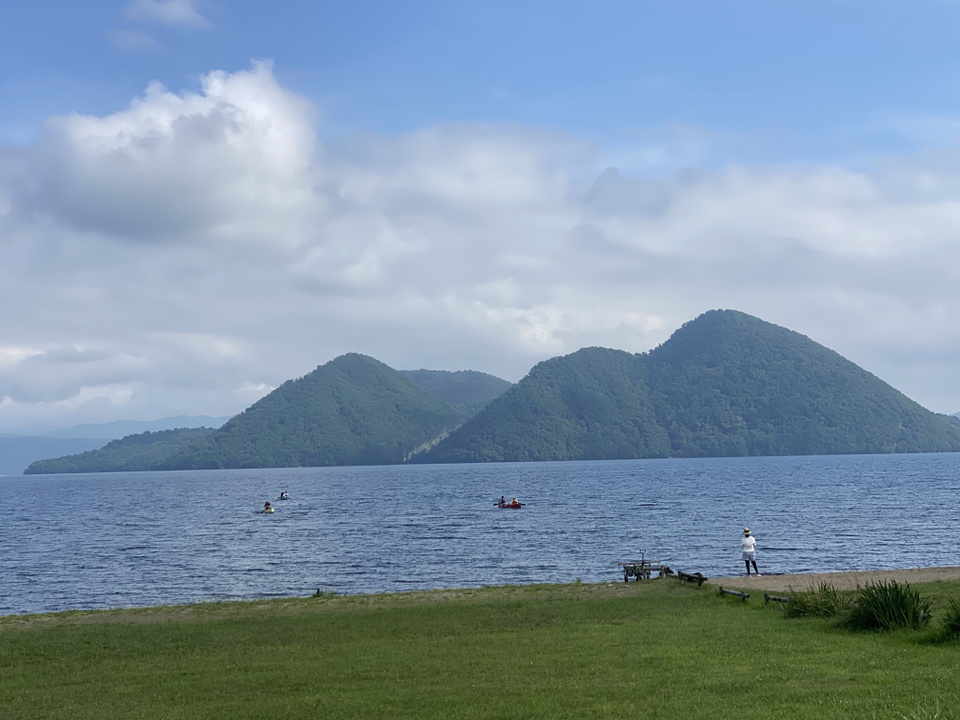
洞爺湖畔
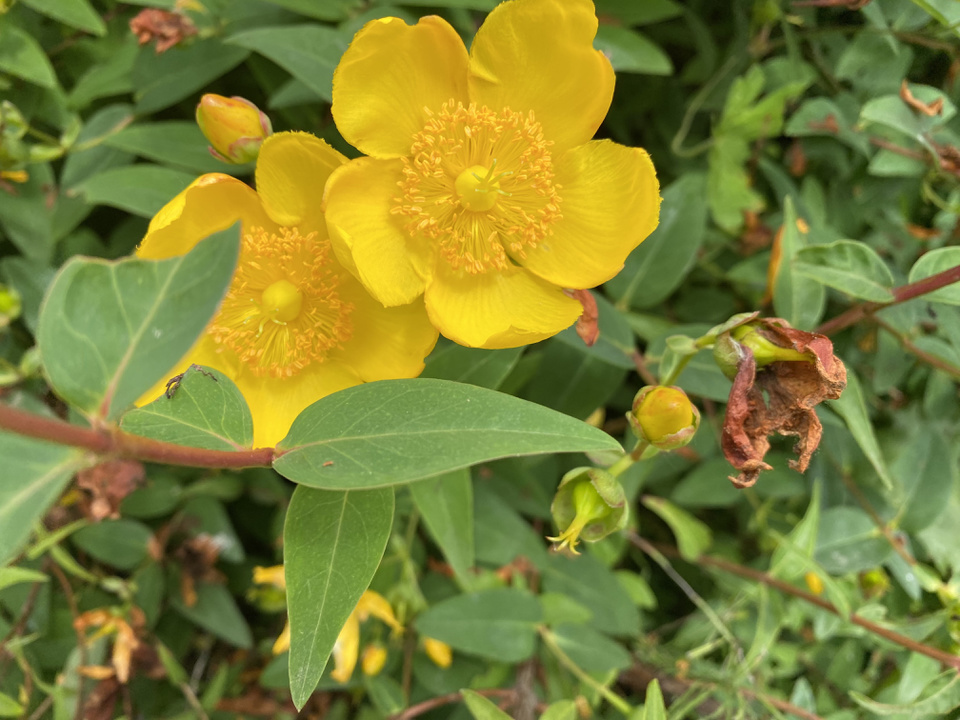
工房の庭に咲く野の花
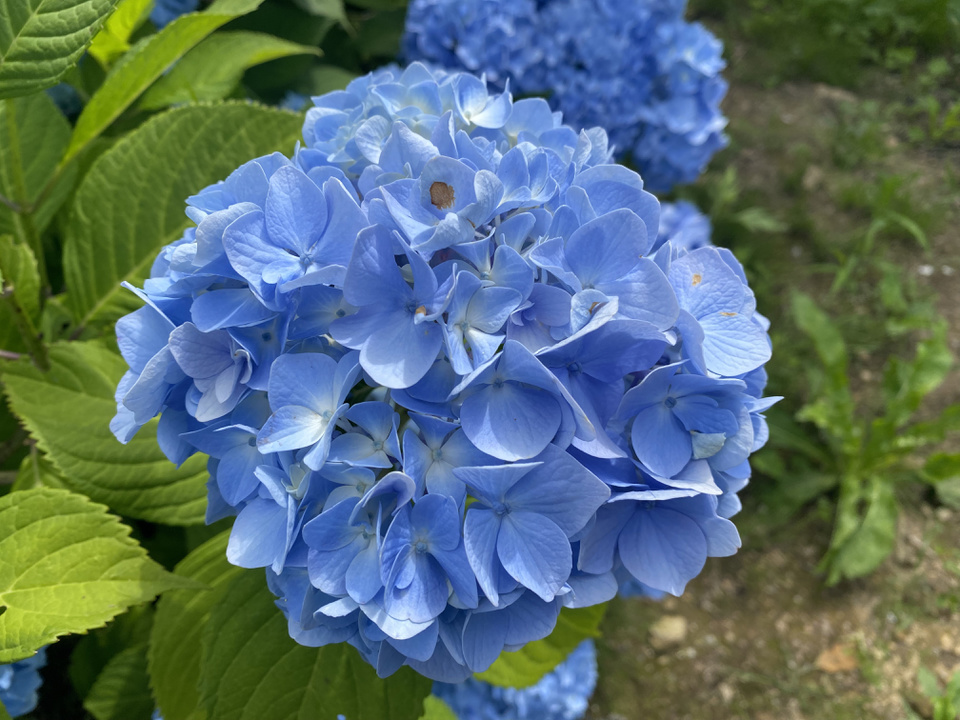
庭先に咲く旬の花
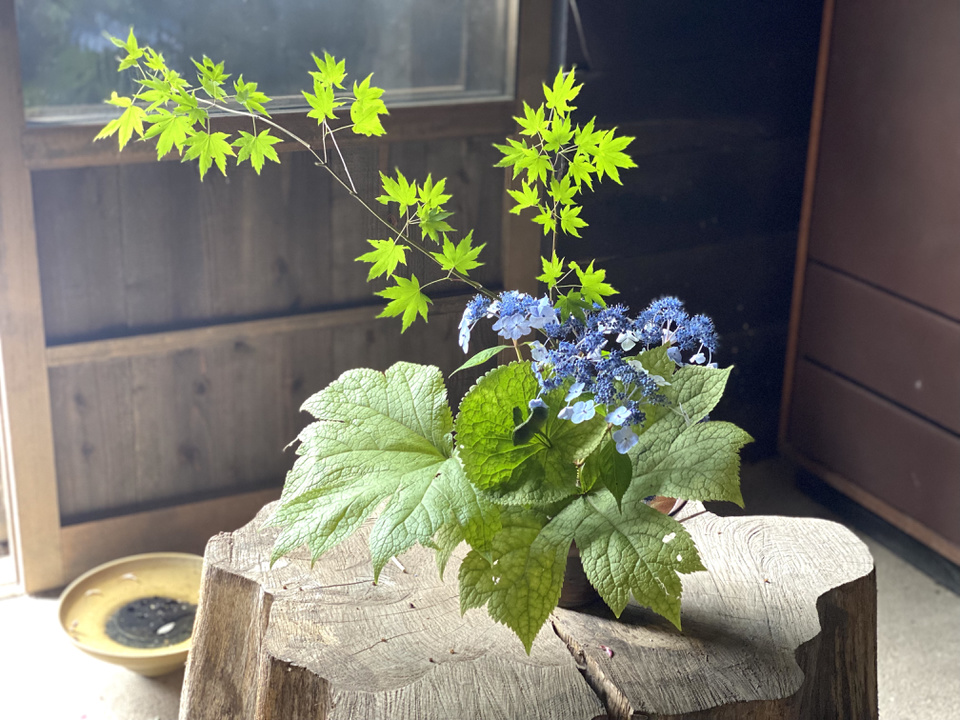
野に咲く花の美しさ
-
菊池勝太郎さんについて
工房 直海窯 にわたづみがま -
About Katsutaro Kikuchi
Kobo Niwatazumigama - 昭和23年11月 北海道虻田郡洞爺村字大原に生れる
42年 伊達高等学校卒業
43年 柔沢デザイン研究所入所
45年 奈都府宇治市、炭山工芸材にて御装の道に入る
46年 滋賀県大津市、岡伸一氏に師事
47~48年 萩焼窯元、岡田仙川窯にて修業
49年 洞爺村字大原(生地)に登り窯を築築、
直海窯(にわたづみがま)と命名
60年 札幌市の要請により、「ふれあいの森"(札幌市有明)に穴窯を築窯
62年 道の海外交流事業により、中国各窯を研修 - 平成元年 道の海外交流事業により、磁州窯の古陶磁研究技術者、劉志国氏を招聘
- 4年 穴窯を築窯、内寸・中2m、長さ10m、高さ1.4m
5年 京都書院より「陶」Vol.63 菊地勝太郎を出版
昭和50年よりこの間、道内を中心に個展を開く
6年 東京(東急本店)、新潟県中条町、宇都宮等にて個展
8年 穴窯の焚き方を、水を使った止め焚きに変えて、 - やわらかい土肌と美しい緋色を得る
10年 東京銀座(工芸むらた)、宇都宮、新潟等にて個展
13年 (株)国際薪窯研究所の要請により、栃木県鹿沼市に
登り窯(3連房4室)を築窯
14年 東北各地、白河市、盛岡市、銚子市、米沢市、青森市等、
東京銀座黒田陶苑にて個展
17年 伝統工芸新作展入選(19年)
20,21,24年 韓国 開慶伝粉茶器祭り招待出品 出席 -
1942 Graduated from Date High School, Date, Japan.
1943 Joined Juzawa Design Institute, Uji, Natofu, Japan.
1945 Started his career as a kimono maker at Sumiyama Kogei Zai,
Uji, Natofu, Japan.
1946 Studied under Oka Shinichi, Otsu, Shiga, Japan.
1949 Built a climbing kiln in Ohara, Toya, Hokkaido, named Naokai
Kiln.
1960 Built an anagama in “Fureru-mori” (forest), Ariake, Sapporo,
Japan, at the request of Sapporo City.
1949 Built a climbing kiln in Ohara, Toya Village and named it
Niwazumi Kiln. 60 Built anagama kiln in Fureai no Mori (Ariake,
Sapporo) at the request of Sapporo City.
62 Studied at various kilns in China under the overseas exchange program of the Hokkaido government.
1989 Invited Mr. Liu Zhiguo, an old porcelain research engineer of the Zizhou Kiln, as a part of the overseas exchange program by the Hokkaido government,
4. Built anagama kiln, internal dimensions: middle 2m, length 10m, height 1.4m 5. Published “Ceramics” Vol. 63, Katsutaro Kikuchi, from Kyoto Shoin in 1975. Started firing with water,
13. At the request of the International W
t an anagama in “Fureru-mori” (forest), Ariake, Sapporo,
Japan, at the request of Sapporo City.
1949 Built a climbing kiln in Ohara, Toya Village and named it
Niwazumi Kiln. 60 Built anagama kiln in Fureai no Mori (Ariake,
Sapporo) at the request of Sapporo City.
62 Studied at various kilns in China under the overseas exchange program of the Hokkaido government.
1989 Invited Mr. Liu Zhiguo, an old porcelain research engineer of the Zizhou Kiln, as a part of the overseas exchange program by the Hokkaido government,
4. Built anagama kiln, internal dimensions: middle 2m, length 10m, height 1.4m 5. Published “Ceramics” Vol. 63, Katsutaro Kikuchi, from Kyoto Shoin in 1975. Started firing with water